MANILA, Philippines – SM Prime Holdings, Inc. received the Silver Award in the Transformation Category at the 2026 Asia ESG Positive Impact Awards held in Kuala Lumpur, Malaysia, for its flagship waste circularity program, SM Waste Free Future.
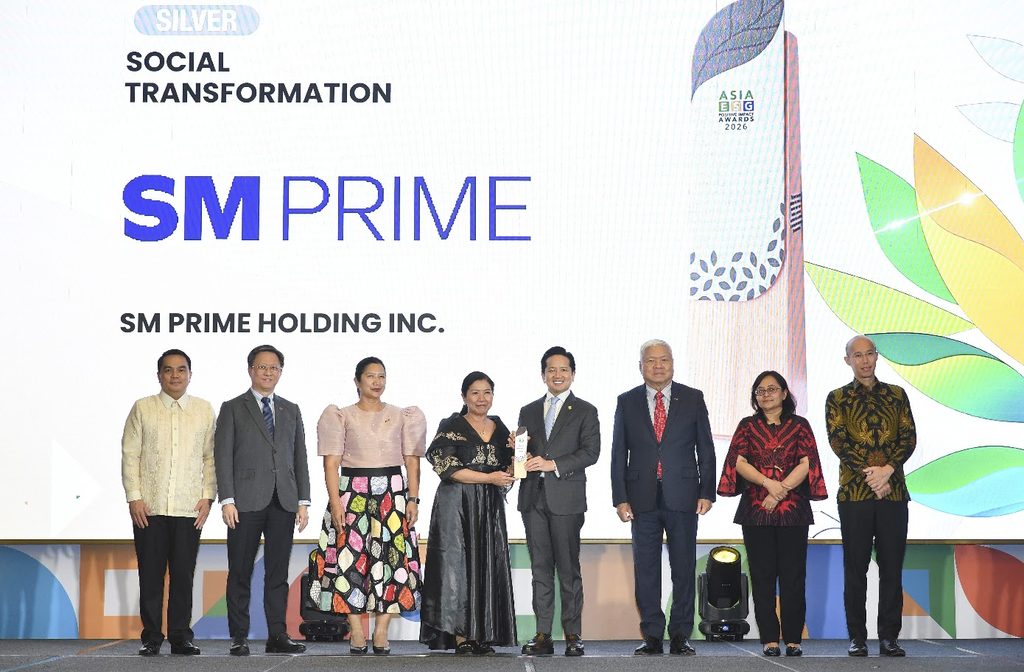
The recognition honors organizations that demonstrate measurable environmental, social, and governance (ESG) impact through transformative initiatives that create lasting value for communities and stakeholders across Asia. The award follows SM Waste-Free Future’s Gold Award win at the 2025 Inquirer ESG Edge Awards, further affirming the program’s impact in advancing waste circularity and sustainable resource management.
Launched in 2024 at the SM Mall of Asia, SM Waste Free Future unifies SM Prime’s waste reduction, recycling, diversion, and resource recovery initiatives under a single program that advances waste circularity across its developments. Through responsible waste management, proper segregation using its Recyclable, Disposable, and Compostable (RDC) bins, and partnerships that enable resource recovery, the program helps keep materials in circulation while fostering collaboration among local government units, recyclers, tenants, employees, and communities.
Central to the program is the growing role of Cebu-based SM GUUN Environmental Company, Inc. (SGECI), a joint venture between SM Prime and Japan’s GUUN Co., Ltd., which helps transform non-recyclable plastic waste into fuel resources while promoting greater waste segregation and recovery.
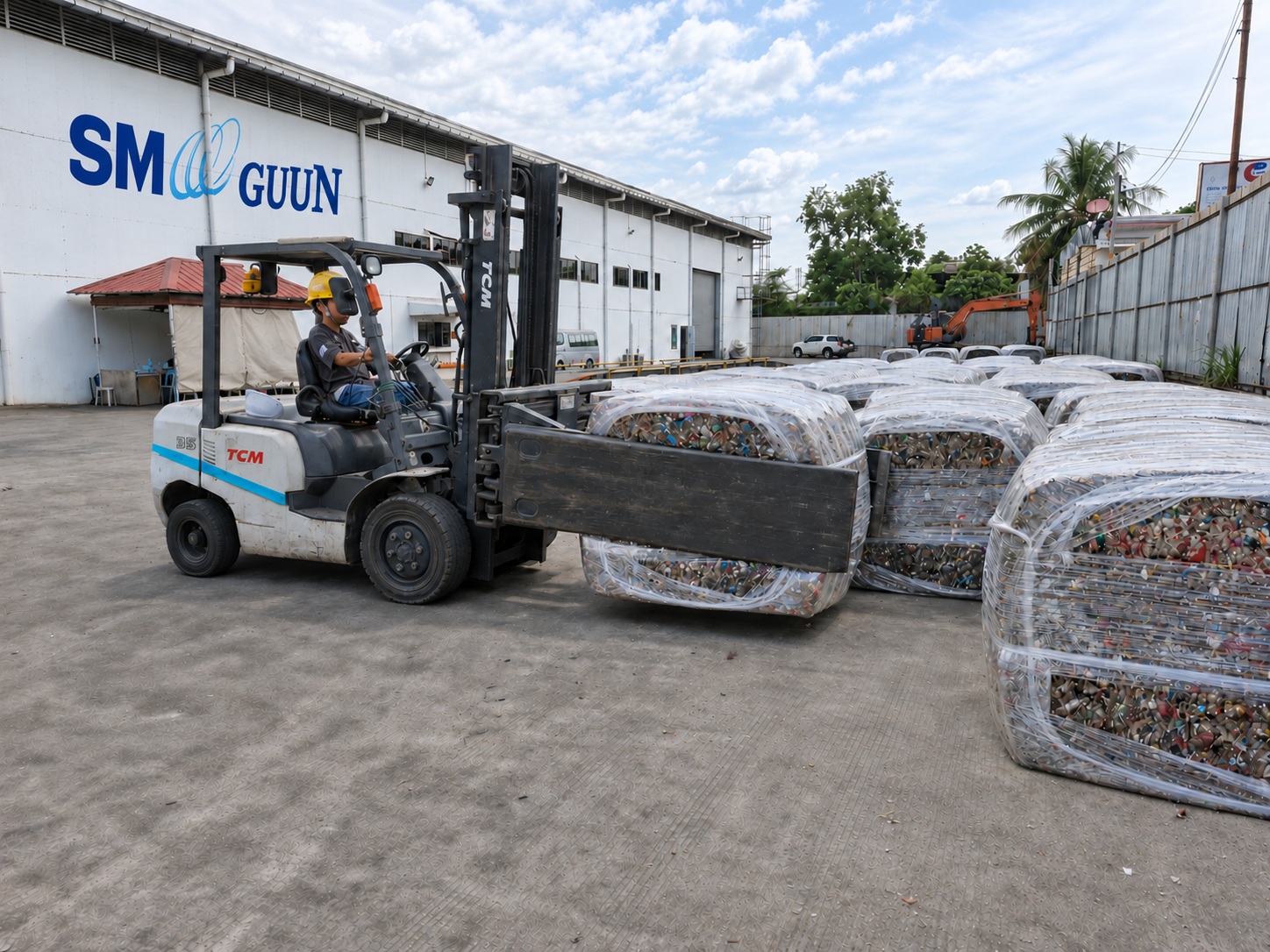
By creating additional pathways for materials that would otherwise end up in landfills, SGECI supports SM Prime’s broader ambition of advancing a circular waste management ecosystem. In 2025, SM GUUN processed more than 6,000 metric tons of waste, helping divert the equivalent waste generated by approximately 8,000 households from landfills.
SM Prime continues to build on these efforts through investments in recycling and resource recovery infrastructure. Among its latest initiatives is the SM North EDSA Recycling Center, set to open soon as a dedicated space where customers, tenants, communities, and sustainability partners can participate more actively in recycling and circularity programs.
Located beside SM City North EDSA, the facility is envisioned to serve as a hub for environmental education, responsible waste management, and stakeholder engagement, bringing circular economy practices closer to the communities SM serves.
“Receiving this recognition affirms our commitment to creating long-term value through innovative and collaborative sustainability programs,” said Dr. Louernie de Sales, Vice President for Sustainability of SM Prime and President of SM GUUN Environmental Company, Inc.
“Through SM Waste Free Future, we are transforming waste into resources, advancing circularity across our value chain, and mobilizing communities to help build a low-carbon and more sustainable future. Looking ahead, we will continue to expand the infrastructure, partnerships, and programs needed to accelerate circularity and help make a waste-free future a reality.”
The award also highlights the growing regional impact of SM Prime’s sustainability initiatives, demonstrating how large-scale developments can contribute to Asia’s transition toward a more circular and resource-efficient economy.
Through its waste circularity initiatives, SM Prime is transforming waste into resources, advancing decarbonization, and creating shared value for communities and stakeholders as it works toward a waste-free future by 2035.
For SM Prime, the recognition is a testament to the progress of its Waste Free Future vision, reinforcing its commitment to advancing circular solutions that contribute to a more resilient, resource-efficient, and low-carbon future.
###
About SM Waste Free Future
SM Waste Free Future is SM Prime’s flagship waste circularity program that brings together the company’s waste reduction, recycling, diversion, and resource recovery initiatives. Guided by the principles of the circular economy, the program promotes collaboration among businesses, communities, recyclers, and local governments to reduce waste, maximize resource value, and create shared environmental and social impact.