
MANILA, Philippines — Proper waste segregation can make a meaningful environmental impact when the correct bins are used. At SM Supermalls, the Recyclable–Disposable–Compostable (RDC) system empowers customers to take part in a nationwide Green Movement. This initiative aims to promote circularity, divert waste from landfills, reduce methane emissions, and prevent soil and water contamination.
“Through SM’s RDC bins, we are not only encouraging customers to adopt responsible waste disposal habits, but also enhancing the efficiency of our waste management systems to better serve our communities. Waste is often an ‘out of sight, out of mind’ issue, so we are committed to ensuring that our approach delivers tangible environmental benefits,” said SM Supermalls Vice President for Corporate Compliance and Sustainability, Liza Silerio.
Waste Conversion Pathways
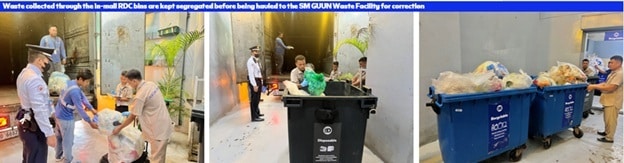
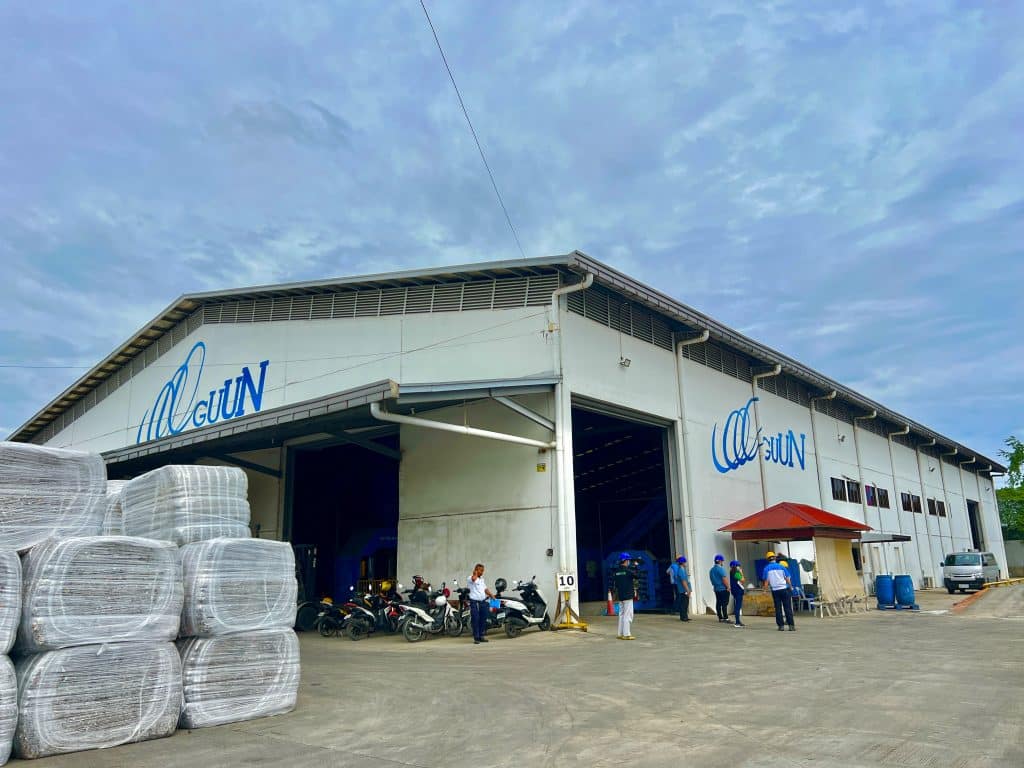
As part of its #SMWasteFreeFuture project, SM’s waste processing arm, SM GUUN Environmental Company, was established in Consolacion, Cebu, in 2024. There, waste collected from the in-mall RDC bins in Cebu malls is corrected and re-sorted for conversion into industrial raw materials for recycling, fuel or soil.
“An ecosystem of corporate partners enables us to optimize our waste management processes and ensure that recovered materials are reintegrated into the value chain. Through this closed-loop approach, waste is transformed into reusable resources and given a renewed purpose beyond its initial lifecycle,” said Silerio.

Blue Bin: Recyclable to RECYCLED
“Recyclable is only a promise, but RECYCLED is a promise kept”
Recyclables are simply 3 items: bottles (plastic and glass), cans (aluminum and tin) and cartons. Because these 3 items have the highest recycling infrastructure available.
Recyclables are sorted by material type at the factory and returned to corporate and development partners for reprocessing: MultiPly for paper; San Miguel Yamamura and Asia Brewery Incorporated for glass; Coca-Cola’s recycling arm, PETvalue; and Nature Spring’s recycling arm, NS Sustainability Solutions, for plastic bottles. This process ensures a streamlined supply chain for recycling and increases recycled content in the next packaging material for their products.

Gray Bin: Disposable to FUEL
Disposables like cups, straws, rags, and other hard to recycle disposable containers are processed into coal alternative fuel at the waste processing factory. The waste undergoes sorting, formulating, and shredding to fuel the manufacturing of cement and its ash as cement materials. Quality assurance is key to reducing pollutants at the emission control systems of the cement factories.
Cement manufacturing partners such as DMCI (Concreat), Holcim (Geocycle) and Republic (Ecoloop) utilize these waste-as-fuels to support their operational energy requirements and reduce the use of coal while helping the environment.
Green Bin: Compostable to SOIL
Compostables are mainly food scraps and leftover food. These are fed into a machine that converts them into landscaping soil within 48 hours, avoiding the landfill and methane gas from decaying matter. Landfills are one of the largest sources of methane gas, which is over 20 times more damaging than CO2.
The resulting soil is used for landscaping and urban greening initiatives, with partners including J.Co, BlueSkye Go Circular, Goldilocks, and Fat Hopes Energy supporting its development.

“Changing habits is hard, but we’ll make it easier. All SM Supermalls are equipped with RDC bins, enabling our customers to actively participate in meaningful sustainability efforts that help protect the environment. Each time they visit our malls, they have the opportunity to contribute to our shared goal of achieving a Waste-Free Future,” Silerio said. “While waste remains an escalating challenge both locally and globally, SM firmly believes in the power of community and collective action to address even the most complex environmental issues.”
Last year, the Philippines successfully diverted more than 246 million kilograms of plastic waste, surpassing the national diversion target with a recorded rate of 56%, according to the Department of Environment and Natural Resources (DENR).
Loved this story? We’d love to hear your thoughts! Connect with us at www.smsupermalls.com or www.smprime.com.
###
About SM Supermalls
SM Supermalls is evolving for a new era shaped by how people live, connect, and experience life today. More than a place to shop, it is the country’s most loved mall and an everyday destination designed around the lifestyles, passions, and needs of Filipino communities, delivering new finds, fresh concepts, and meaningful experiences, All For You.
As one of Southeast Asia’s largest mall developers and operators, with 89 malls in the Philippines and 9 in China, SM Supermalls continues to evolve its spaces, experiences, and partnerships, building destinations that grow with communities and remain trusted, relevant, and loved for generations. Your Most Loved Supermall, SM — All For You.
About SM Green Movement:
SM Prime Holdings, Inc. (SM Prime) is one of the largest integrated property developers in Southeast Asia, committed to creating sustainable, innovative, and inclusive spaces for Filipinos. Guided by its vision of building a better future, SM Prime develops malls, residences, offices, hotels, and leisure properties that support the growth of communities across the Philippines.
Through the SM Green Movement, SM Prime champions sustainability by focusing on waste management, water stewardship, and energy efficiency for lasting impact. The movement empowers individuals, families, and communities to take part in simple acts that create shared prosperity for generations to come.